
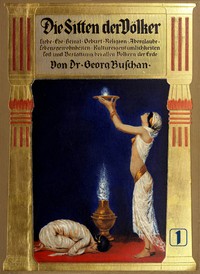
Die Sitten der Völker, Erster Band by Georg Buschan
Let's be clear from the start: Die Sitten der Völker (The Customs of the Peoples) is not a novel. You won't find a protagonist or a plot twist. What you will find is Volume One of a sprawling, early 20th-century attempt to map the entire spectrum of human daily life. Written by German physician and anthropologist Georg Buschan, this book is a systematic catalog. It organizes and describes the customs, rituals, and material culture of peoples from around the world, focusing on what we'd now call cultural anthropology.
The Story
There's no narrative arc here. Instead, the book is structured by themes of human existence. Buschan takes you through the major milestones and necessities of life. He writes about birth rituals and childhood across different societies. He details the various forms of marriage, family structures, and coming-of-age ceremonies. The book covers daily work, food gathering and preparation, housing, and even dress and adornment. It's a methodical, sometimes dry, but incredibly thorough walkthrough of how humans have organized the fundamental acts of living. Think of it less as a story being told and more as a vast, organized library of human behavior.
Why You Should Read It
I'll admit, the academic tone can be a hurdle. But push through, and you find something magical. This book is a revelation of common ground. Reading about a betrothal custom in Southeast Asia or a funeral practice in Africa, you're struck not by how 'exotic' they are, but by the shared human impulses behind them—love, grief, community, survival. Buschan, for all his era's biases, was compiling a record of ingenuity and adaptation. It makes you look at your own daily routines—your morning coffee, how you greet friends—and see them as part of this long, global chain of cultural invention. It's a profound lesson in empathy and perspective, hidden in an old textbook.
Final Verdict
This book is perfect for history buffs, anthropology nerds, and wildly curious readers who don't need a plot to be captivated. It's for anyone who loves documentaries about ancient civilizations or gets lost in Wikipedia holes about social history. It's not a light read, but it is a rewarding one. Dip into a chapter at a time. Don't expect a page-turner; expect a mind-opener. You're not reading a story—you're browsing the raw data of the human story.
There are no legal restrictions on this material. Thank you for supporting open literature.
Jessica Gonzalez
2 months agoGood quality content.
Lucas Walker
1 year agoAfter hearing about this author multiple times, the narrative structure is incredibly compelling. A true masterpiece.
Lucas Miller
1 year agoI started reading out of curiosity and the narrative structure is incredibly compelling. I learned so much from this.
Susan Torres
1 year agoVery interesting perspective.





Joseph Wilson
2 weeks agoBeautifully written.